
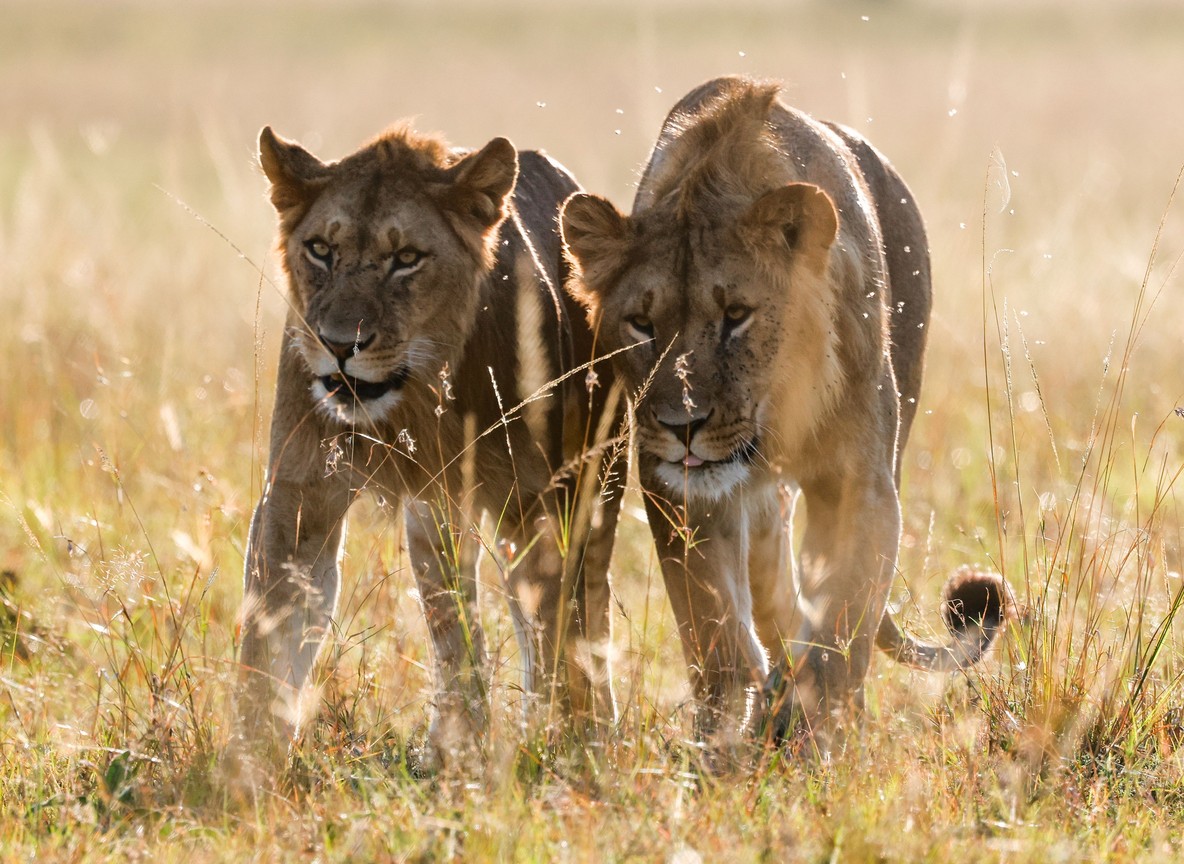
The question of the best time to visit Masai Mara comes up in almost every serious safari planning conversation, and for good reason. The reserve changes character substantially throughout the year. The same landscape that glitters with dry golden grasses in July turns intensely green by April. The migration that draws crowds to the Mara River crossings during peak season is entirely absent in December. Knowing what each month actually offers helps you match your trip to what matters most to you, whether that is spectacle, solitude, wildlife action, or budget.
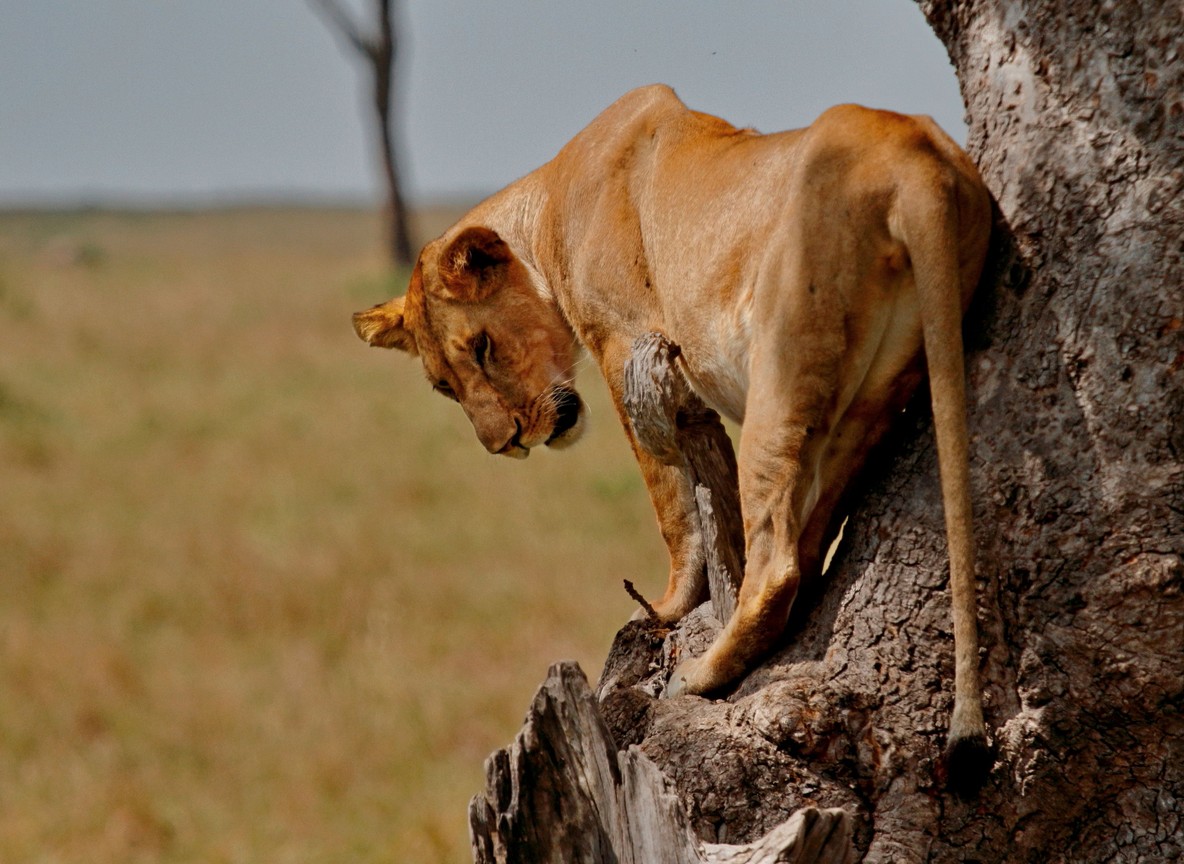
This guide covers all twelve months with honest assessments of weather, wildlife, migration status, crowd levels, and cost.
Why Timing Shapes Every Masai Mara Decision
What you experience in the Mara depends on a short list of variables, all tied to the calendar:
- Wildlife concentration: Animals cluster near permanent water sources during the dry months and spread out widely when rains arrive and temporary pools form.
- Great Migration timing: The wildebeest and zebra herds follow a seasonal circuit between the Serengeti and the Mara. They are only present in Kenya for roughly four to five months each year.
- Weather and landscape: The Mara cycles through dry and wet seasons twice annually. Each brings distinct conditions for game viewing, photography, and road access.
- Crowd and pricing patterns: Peak migration season pushes both visitor numbers and lodge rates to their highest points. Green season drops both significantly.
Month-by-Month Breakdown
January
Temperature: 25-30 C. Rainfall: Low. Migration status: Herds in Tanzania, not visible in the Mara.
January falls in the short dry window between the two rainy seasons. Shrinking water sources draw animals into predictable locations, making game drives efficient. Lions and cheetahs are active on the open plains. Leopards become more visible as vegetation thins.
Visitor numbers settle at a moderate level after the holiday rush clears. Photography benefits from clear skies and warm directional light throughout the day. Prices are mid-range. January is well suited to wildlife enthusiasts who want reliable sightings without peak-season crowds or rates.
February
Temperature: 26-31 C. Rainfall: Very low. Migration status: Herds in Tanzania.
February sits at the height of the short dry season. Predator activity reaches its annual peak. Lions hunt with greater frequency, leopards move through sparse cover with little cover to hide them, and cheetahs are consistently visible across the open grasslands. Big-cat encounters are the dominant draw.
School holidays push visitor numbers and prices upward mid-month. Even so, February is considerably less congested than July or August. For photographers focused on predator drama rather than migration spectacle, it ranks among the strongest months on the calendar.
March
Temperature: 24-28 C. Rainfall: Moderate, afternoon showers common. Migration status: Herds beginning to move north from Tanzania.
March opens the long rains. Afternoon showers arrive with increasing regularity, the landscape shifts from brown to green, and animals start dispersing as water becomes abundant. Game sightings become less predictable, though large predators remain active.
The practical trade-off is favorable for many travelers: tourist numbers fall sharply and lodge prices drop roughly 20-30% from peak season rates. Advance herds of wildebeest push north from the Serengeti during this month, so early migration movement is sometimes visible in the southern Mara. March is a strong choice for budget-conscious visitors and photographers drawn to green-season landscapes with dramatic storm skies.
April
Temperature: 23-27 C. Rainfall: High, the heaviest month of the year. Migration status: Herds moving north, some present in the southern Mara.
April brings the full weight of the long rains. Tracks can become difficult, animals spread widely across the reserve, and locating wildlife requires more effort and patience. Migration herds are in transit between Tanzania and Kenya, with some appearing in the southern sections of the reserve.
The upside is a near-empty park. April is the quietest month for tourism and one of the two lowest-priced months of the year. Those willing to accept variable conditions and some unpredictability in game viewing get the Mara largely to themselves. Under storm light with saturated green color, the landscape is visually striking for photographers who can work in changing weather.
May
Temperature: 24-28 C. Rainfall: Decreasing, sporadic showers. Migration status: Massive herds visible in the southern and central Mara.
May is a transitional month that often surprises first-time visitors. The rains ease, animals begin concentrating again as temporary pools dry out, and migration herds are moving north in force. Large columns of wildebeest and zebra are visible in the southern and central sections of the reserve. Predator activity climbs as wildlife concentrates.
Crowd levels remain well below peak. Prices sit in a budget-to-mid range that rises steadily toward June. For travelers who want genuine migration presence without July congestion, May offers the best cost-to-experience ratio of the peak season run-up.
June
Temperature: 23-27 C. Rainfall: Very low. Migration status: Peak crossing season underway, less crowded than July and August.
June opens the dry season and the migration high period simultaneously. Herds are crossing in significant numbers, predators are hunting actively along the edges of the great columns, and the landscape has dried to photogenic gold. Sky clarity improves through the month.
Visitor numbers are climbing but have not yet hit the July ceiling. This gap matters on the ground: vehicle counts at crossing points remain manageable, and guides have more latitude to position without interference. Prices move into the mid-to-high range. For many experienced safari travelers, June is the preferred migration month precisely because it delivers the full experience without peak-season density.
July
Temperature: 22-26 C. Rainfall: Virtually none. Migration status: Peak season, millions of wildebeest and zebras, frequent river crossings.
July is the most iconic month in the Mara and the most visited. Millions of wildebeest and zebras push across the Mara River in crossings that can last for hours. Predators concentrate around the herds; daily kills are common. This is the wildlife spectacle that defines the reserve’s global reputation. River conditions shape the drama too: after the long rains, the Mara River runs high and fast, which makes crossings more chaotic and occasionally fatal for the animals attempting them. By late in the dry season the water drops and slows, and crossings become calmer, if still tense, affairs.
The trade-off is crowd density. Popular crossing points draw many vehicles, and well-positioned lodges fill out months ahead of time. Prices reach their annual peak, with quality camps typically ranging from $2,800 to $4,000 or more per person for a multi-night stay. Book six months ahead where possible. July suits first-time visitors who want the classic Mara experience and have budgeted for it.
August
Temperature: 21-25 C. Rainfall: Virtually none. Migration status: Peak crossing season continuing, herds moving toward the Kenya/Tanzania border.
August continues July’s migration drama with one practical difference: visitor numbers drop slightly from the July high point. The herds are still crossing, predator action is exceptional, and photography conditions remain strong. Temperatures fall a few degrees cooler, which makes for more comfortable early-morning game drives.
Prices stay near peak levels. August is a close equivalent to July for anyone who could not secure a July booking or simply prefers a marginal reduction in vehicle counts at crossings. The combination of excellent wildlife density, dry conditions, and clear light makes it one of the most photogenic months of the year.
September
Temperature: 22-27 C. Rainfall: Very low. Migration status: Herds dispersing, beginning the return south toward Tanzania.
September is a transition month that is frequently underestimated. The migration is winding down as herds start moving back toward the Serengeti, but predator activity stays high: the reserve’s resident carnivores continue hunting the stragglers. Wildlife remains concentrated and accessible.
Visitor numbers fall from the August peak, and prices follow. The Mara takes on a deep golden quality at this time of year that rewards landscape photographers. September delivers most of the wildlife density of August at lower cost and with noticeably more space at viewpoints.
October
Temperature: 23-28 C. Rainfall: Low, occasional showers beginning. Migration status: Herds returned to Tanzania.
October sits in a quiet window between the migration season and the onset of the short rains. The migration herds have moved back to the Serengeti. Resident wildlife, including lions, leopards, cheetahs, elephants, and giraffes, provides the main draw. As temporary water sources contract again, animals concentrate in predictable areas, and game drives become efficient.
Crowds are low to moderate. Prices fall into a budget-to-mid range. Dramatic late-afternoon skies and the golden landscape make October a strong photographic month. It suits travelers who want reliable wildlife sightings without peak-season pressure or pricing.
November
Temperature: 24-29 C. Rainfall: Moderate, afternoon showers. Migration status: Herds in Tanzania.
November opens the short rainy season. Animals disperse as water becomes widely available again, and the landscape greens up quickly. Predator sightings become less predictable, though the Mara’s big-cat population stays resident and active.
Tourist numbers fall to near-annual lows, second only to April. Prices match that pattern, making November one of the two cheapest months for a Mara safari. Solitude seekers and budget-focused travelers find it worthwhile if they accept the reduced predictability of sightings. Storm-season skies and saturated color offer strong material for landscape photographers.
December
Temperature: 25-30 C. Rainfall: Moderate, sporadic. Migration status: Herds in Tanzania.
December straddles the short rains and the beginning of the next dry period. Rainfall is sporadic rather than sustained, so game drives are rarely interrupted for long. Wildlife is dispersed but accessible: resident herds, predators, and elephants move throughout the reserve.
Holiday travel pushes visitor numbers and prices upward from their November lows. December suits families traveling during school holidays who want green-season beauty with more activity than November offers. Lodge availability tightens around Christmas; early booking is advisable for prime dates.
How to Find the Best Time to Visit Masai Mara for Your Priorities
The right month depends on which variable matters most to you:
| Priority | Best Months |
|---|---|
| Great Migration river crossings | July-August (peak); June or September (fewer crowds) |
| Predator action | January-February; June-August |
| Budget travel | April, November (lowest prices) |
| Landscape and storm photography | April, October |
| Dry-season wildlife photography | January-February; May-June |
| Solitude | April, November |
| Value combined with solid wildlife | May, June, September, October |
| First-time visitors | July-August; June as an alternative |
| Families during school holidays | December-January; July-August |
Approximate per-person lodge rates for a multi-night stay:
- Peak season (July-August): $2,800-$4,000+
- Shoulder months (May-June, September-October): $1,800-$2,400
- Green season (March-April, November): $1,200-$1,600
Masai Mara Conditions at a Glance
| Month | Temp (C) | Rainfall | Wildlife | Migration | Crowds | Cost |
|---|---|---|---|---|---|---|
| January | 25-30 | Low | Excellent | No | Moderate | Mid |
| February | 26-31 | Very Low | Outstanding | No | Moderate | Mid |
| March | 24-28 | Moderate | Good | Building | Low | Budget |
| April | 23-27 | High | Good | Present | Very Low | Budget |
| May | 24-28 | Low | Improving | Visible | Low-Mod | Budget-Mid |
| June | 23-27 | Very Low | Excellent | Peak | Moderate | Mid-High |
| July | 22-26 | Very Low | Exceptional | Peak | Very High | Peak |
| August | 21-25 | Very Low | Exceptional | Peak | Very High | Peak |
| September | 22-27 | Very Low | Excellent | Ending | Moderate | Mid |
| October | 23-28 | Low | Very Good | No | Low-Mod | Budget-Mid |
| November | 24-29 | Moderate | Good | No | Very Low | Budget |
| December | 25-30 | Moderate | Good | No | Moderate | Mid |
Explorer Notes
Book peak season early. July and August at well-positioned camps fill three to six months out, particularly for tented camps near the Mara River crossings. Leaving it two months out significantly narrows your options.
Green season road conditions. April, and to a lesser extent March and November, can make some tracks difficult. A four-wheel-drive vehicle is standard across the reserve, but confirm with your lodge that preferred areas and conservancy access routes remain passable during heavy rain periods.
Migration timing is not a fixed schedule. The crossing calendar follows rainfall patterns in the Serengeti, which shift from year to year. No guide or camp can promise a crossing on a specific day. What June through August does guarantee is that the herds are present in the Mara and crossings are occurring with high frequency over the course of a several-night stay.
Conservancies extend your options. The private conservancies bordering the national reserve, including Naboisho, Ol Kinyei, and Mara North, operate under limited-vehicle policies year-round. During July and August, the conservancy experience is noticeably quieter than the main reserve. They carry a price premium but offer a meaningfully different atmosphere even in peak season.
Dress for cool mornings. Morning game drives start early, and temperatures in July and August can be surprisingly cold before sunrise. A fleece or light down jacket is practical even for travelers expecting warm conditions.
Conclusion
The Masai Mara rewards visitors across every month, but the experience changes substantially depending on when you arrive. If the Great Migration is your primary goal, plan for June through August, with July and August as the high-water mark for crossings. If quiet game viewing or a controlled budget matters more, April, November, or the shoulder months of May, September, and October deserve a close look. The month-by-month detail above gives you the factual basis to weigh your priorities against what each season actually delivers.
For current park fees, vehicle regulations, and conservancy access policies, the Kenya Wildlife Service is the authoritative source.
Every trip described here can be tailored: dates, budget, camps, and pace built around you.
Get a Personalised SafariFurther reading
More safari planning resources
- Best time to visit Kenya month-by-month map from Valley Safaris
- Great Migration safari collection on FindMySafari
- Wildebeest migration route map from Valley Safaris
- Budget safari collection on FindMySafari


[…] is why choosing among the best camps and lodges in the Maasai Mara is not really about finding the most famous name. It is about finding the place that fits the kind […]
[…] more accurately called a guided bush walk: is conducted on foot with an armed, trained guide. In the Masai Mara National Reserve itself, walking safaris are not permitted. They are available in the private conservancies […]
[…] travellers face: particularly those doing a Mombasa road trip or combining the Tsavo parks with the Masai Mara or the […]